
Ask Gotham: Issue Two
"Is there such a thing as a piece of writing ever really being finished?"

Welcome to Ask Gotham, our monthly advice column. Writing-related question? Ask us here!
Hi!
How do I know when something is finished? How do I know when to stop editing a piece? Is there such a thing as a piece of writing ever really being finished?
J
J,
We’ve gotten this question more than once, and I understand why—it’s one that keeps me up at night! Mostly, I err on the side of there’s-no-such-thing-as-finished. A piece of art—your essay, your poem, whatever it is you’re working on—won’t ever be perfectly, tidily done. These aren’t math equations; there’s no correct answer as to how the story ends. Why do we write? Why do we make things? Every artist has different answers to these questions, and it rarely has to do with being finished with the construction of a product. To me, that’s something to embrace.
However, many of us would like to be published for one reason or another, too. And this requires that we finish something, at some point, even if we define “finished” as finally pressing the save button and closing the document.
Still…how do we find that place?
I recently came across a post by my favorite funny person, Elissa Bassist. Here she writes a little bit about what an ending is: an answer to a question, a journey. I found her notes really helpful. If you’re able to clearly, concisely state what happens in your story, and if what happens is surprising, you’re probably in spitting distance of done.
Another approach that works better than almost anything else is time. In Refuse to Be Done, Matt Bell writes about the benefits of taking a break from one’s work-in-progress. He’s talking about book-length projects here, but I think it applies to almost any kind of writing:
“After months or years of drafting, you need to put two kinds of time between you and the manuscript: lived time and art time. Lived time is exactly what it sounds like. Give yourself a month or two months or six months—whatever it takes to get the novel out of your daily thoughts, so you can come back to it fresh. It doesn’t take long for something that once consumed you to feel impossibly distant…The other half of your break is something you can do simultaneously…write something else. Put some art time between you and the book so you can return as a slightly different writer, excited about new things.”
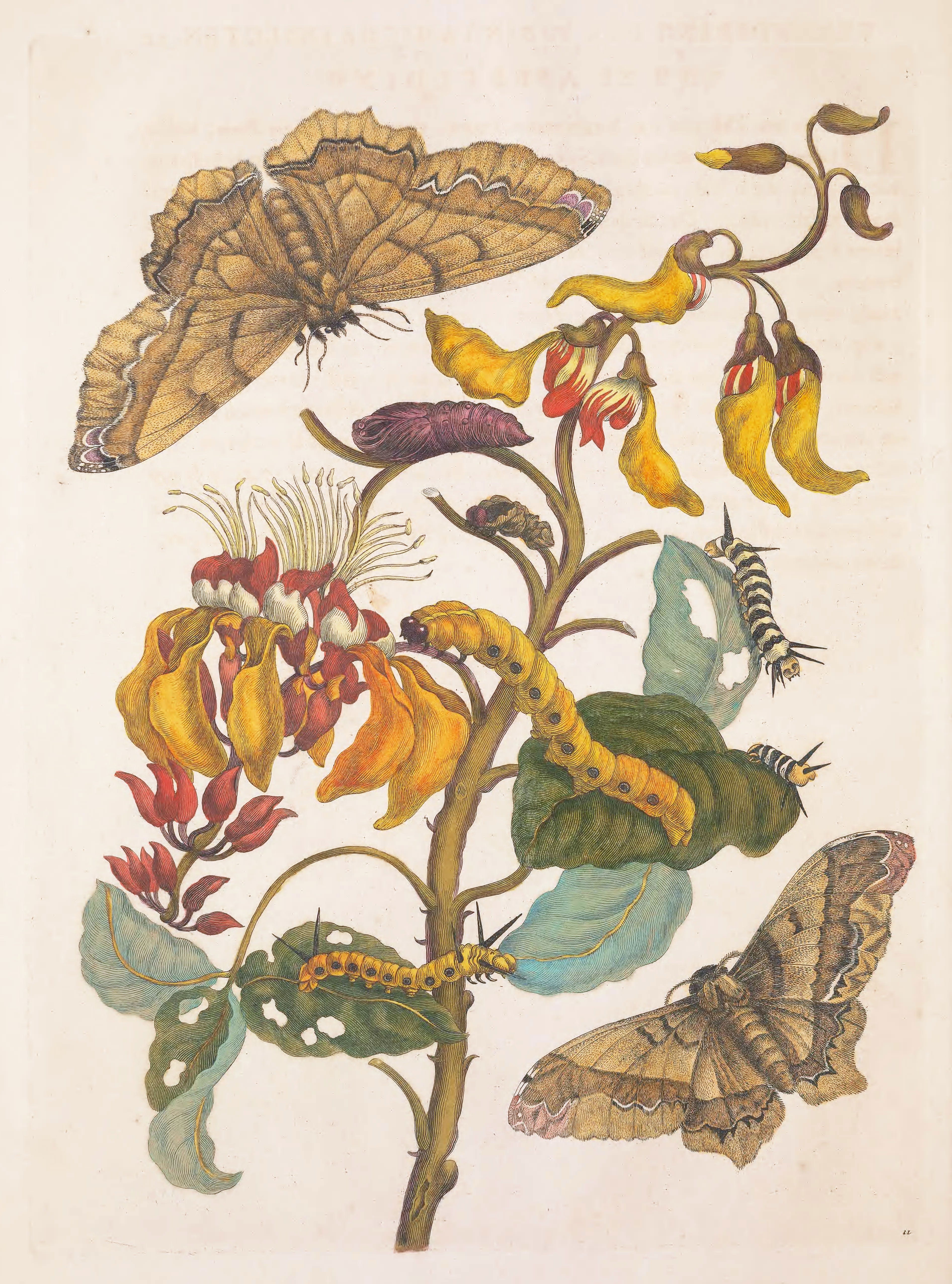
Life! Air! Like a plant, our books or scripts or songs can do with some room to breathe. The longer I can resist the google doc, the better. While I’m away, if I’m unable to stop thinking about a character or rehashing a plot point, that means there’s more work to be done. If, on the other hand, I find myself in that place of impossible distance, working on something new, it’s a good sign I’m finished. Either way, once given some room to breathe and upon my return to the Thing, I usually have a good sense of what needs to be done—even if what’s needed is to do no more.
Another tactic is to trust the deadline. You do the very best you can until you’re out of time, and then you’re done. Sometimes this deadline is imposed on us by a workshop or an editor or a friend, and sometimes we must impose it upon ourselves; either way, a good old-fashioned time’s up can go a long way for us chronic revisers.
What I know for sure is that writing, good writing at least, requires an openness, a comfortability with complex questions. Every time you write, you practice this dance with complexity, and you get a little better at figuring out what “finished” means to you. Good luck, J!
The end,
Stuart
Do you have any advice for our writer on how to know when something is finished?

We recommend…
In addition to our monthly advice column, we’d like to recommend a few things we’ve been reading, watching, and/or doing.
The snack that disappears most quickly from the Gotham kitchen? For some reason, these.
Are you feeling a little, um, stressed out lately?! Yeah, us too. We love Stay at Om, dana miller’s bi-weekly newsletter about yoga…and so much more.
Can’t stop thinking about Zadie Smith’s defense of the five paragraph essay—fascinating!
We can promise you’ll find no timers or bells at our upcoming nonfiction writers conference and agent pitching roundtables! Learn more about publishing nonfiction, meet literary agents, and have fun doing it. Applications close Monday!

Thanks for reading!
Do you have a writing-related question? Submit it here. We’d love to hear from you!
Thanks for the shout out @AskGotham!